 UPDATE: 21/2/2024
 UPDATE: 21/2/2024
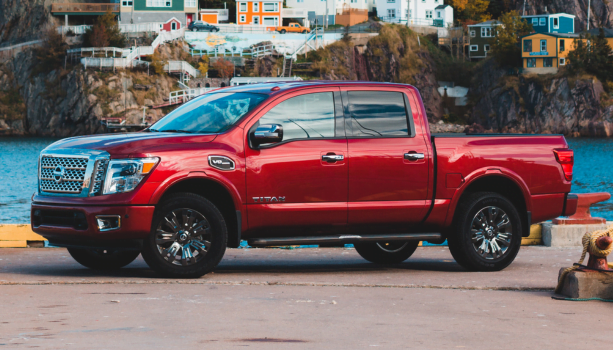
Double-cab pick up U-turn
Further to the revised HMRC guidance issued last week regarding double-cab pickup trucks, after pressure from the agricultural and motor industry the Government have decided to retract that guidance and will make amendments in the next Finance Bill to reflect that NO changes will be made to the rules that previously existed.
To be clear, you can ignore the information we posted below early this week, and as long as the payload of the vehicle is one tonne or more, double cab pick ups will continue to be taxed as commercial vehicles, as before.
If you’re confused by all the changes, and would like more information on company vehicles and tax relief, please do get in touch.
12/2/2024
If you’re in the market for a double-cab pick-up truck as a company vehicle, you may wish to reconsider, or buy sooner than you’d planned.
On 12 February HMRC announced that as of 1 July 2024, significant adjustments to the car benefit rules for double-cab pick-up trucks will come into effect, impacting the tax bills and benefits associated with purchasing these as company vehicles.
The adjustments in tax rates for double-cab pick-up trucks are part of a clamp-down on those using such company vehicles which have been until now been taxed as vans, but which have become increasingly luxurious and more often used as a car for personal mileage.
So, what exactly are the changes?
Previously, these vehicles enjoyed favourable tax treatment due to their classification as light commercial vehicles (LCVs). However, from July 2024, new criteria will be used to determine the tax classification of these trucks.
Whilst previously the determinant factor was based on payload, following the decision in the Coca-Cola case, the decision will subsequently be based upon its primary suitability. Therefore, from 1 July 2024, if the vehicle is equally suited to convey passengers and goods it will not meet the primary suitability criteria of an LCV and will be assessed as a car.
This reclassification holds significant implications for individuals and businesses. While LCVs benefit from favourable tax treatment, cars are subject to higher benefit in kind charges.
Since the new rules only take effect for purchases from 1 July 2024, a purchase before 1 July would escape the effects of the forthcoming rules until 5 April 2028. Alternatively, opt for a single-cab vehicle which will continue to be treated as a LCV for benefit in kind purposes.
Bear in mind that these changes will have a huge effect on demand and supply for both the new and used market for these vehicles before and after 1 July 2024 and there might be a huge demand and backlog in supply up to July now that the announcement has been made.
These changes underscore the importance of staying informed and consulting with tax professionals when making purchasing decisions. With the complexity of tax regulations, seeking expert guidance can help mitigate any potential financial implications. Do get in touch about company vehicles, from the perspective of an employee enjoying the benefits of them, or the employer purchasing them.
More information and examples can be found at https://www.gov.uk/hmrc-internal-manuals/employment-income-manual/eim23151