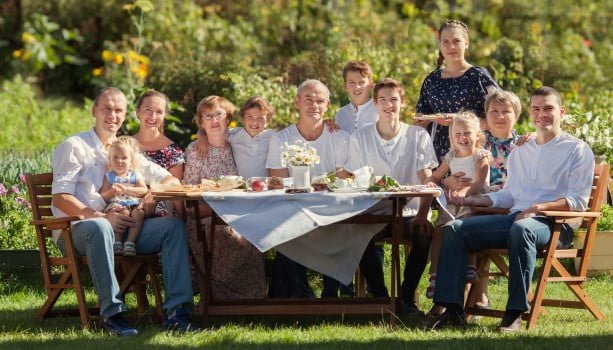

Children and young adults (under the age of 18) are generally taxed on any income and gains they may receive in the same way as adults.
By Tom Annat – Tax Manager
Children are entitled to a tax-free personal allowance for income tax (currently £12,570) as well as the capital gains annual exemption (currently £12,300 but reducing to £6,000 from 6th April 2023). These allowances will usually be sufficient to ensure younger children do not incur a tax liability. However, there are circumstances where a liability could arise, and tax planning opportunities may be available to utilise these allowances.
Tax on savings and the £100 limit
Parents can contribute to children’s saving accounts. However, if interest received exceeds £100 (£200 as a couple), then all the interest (not just the excess over £100) is taxable on the parent.
The £100 limit does not apply to funds gifted by grandparents.
Tax free investments
Junior ISA
If the £100 threshold is insufficient, parents (or other family members/friends) may want to consider contributing into a Junior ISA. These are similar to normal ISAs and contributions are held within a tax-free wrapper. Funds can be invested in a mix of cash or stocks. Contributions are currently capped at £9,000 annually.
Child Trust Fund
This older scheme closed for new accounts in 2011. However, those with existing accounts can continue to contribute up to £9,000 per year tax free.
Family companies
In the case of limited family companies, it may be tempting for parents to allocate share capital to minor children to use their allowances. However, anti-avoidance legislation would counter act this and any income arising would be taxable on the parents.
Gifts from other family members are not caught by these rules and typically this would be a grandparent. This can prove to be a useful planning tool.
Trusts
Grandparents may not wish to give share capital or other funds directly to young grandchildren. An alternative to a direct gift is a gift into a discretionary trust. A trust is controlled by the trustees (one of which can be a grandparent) and enables income and capital to be made available to the beneficiaries at their discretion. Trusts can be a suitable method of paying for school fees or supporting younger beneficiaries.
A trust is taxed as a separate entity on income or gains its makes. However, if income distributions are made to beneficiaries, then it may be possible to reclaim the majority, or all the tax suffered by utilising the grandchild’s tax-free personal allowance.
Family Investment Company
An alternative to a trust is family investment company. These companies are growing in popularity and offer a flexible alternative to trusts for managing and maintaining family wealth. A family investment company structure can be tailored to the particular needs of the family and can also incorporate a trust if needed. Further information on family investment companies can be found here
Grandparents – Inheritance Tax (IHT)
Gifts by grandparents, either directly or via a trust, can assist with IHT planning. Each grandparent can give up to £3,000 per year tax free. A gift of £2,500 can also be made in contemplation of marriage. In theory, there is no limit to the value of a direct gift. However, IHT may be due on the gift should the donor not survive seven years. A gift into a trust is a ‘chargeable lifetime transfer’ but a lifetime IHT charge is not due if the gift, together with other gifts, in the previous seven years do not exceed the nil rate band (currently £325,000).
Next steps
If you have any questions relating to the above, please contact Tom Annat on t.annat@uhy-rossbrooke.com or your usual UHY Ross Brooke adviser if you would like to discuss your position.