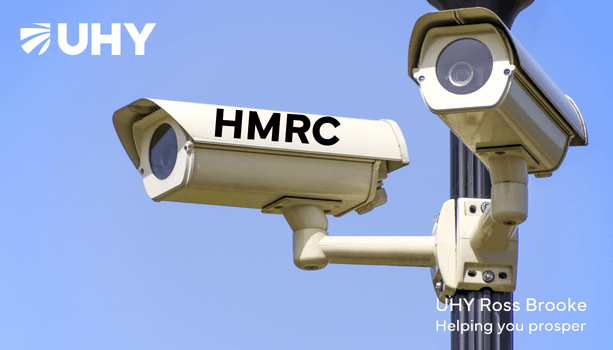
HMRC has recently been writing to company owners regarding dividend income.
This is after reviewing the accounts companies who have depleted their reserves, on the basis that owners may have paid them out in dividends. If such dividend income has not been declared to HMRC, owners are advised that they either need to inform HMRC of the income, or that they have nothing to declare.
Even if the owners believe that they have no tax to declare, they are still required to notify HMRC within 30 days of HMRC’s letter to them. Failure to do so could result in a compliance check and penalties.
The changes to the dividend tax-free allowance may also catch people out.
- Tax year 2022-23 dividend tax-free allowance was £2,000
- Tax year 2023-24 dividend tax-free allowance was £1,000
- Tax year 2024-25 dividend tax-free allowance is set to be just £500
It is estimated that around 3,250,000 individuals will be affected by this in 2023-24, rising to 4,405,000 for 2024-25.
How to declare and pay outstanding tax
- If you have not already have a Government Gateway userid, you will need to register before making the disclosure.
- Use the online form to tell HMRC about income or gains not previously declared.
- Interest and penalties can also be paid through the platform once a payment reference number (PRN) has been received through the post.
- Any demand for payment must be settled within 90 days of receipt of the PRN, or the taxpayer could face a compliance check and potentially higher penalties.
Dividend income from assets held in ISAs remains tax-free under current tax rules.
If you have received an HMRC dividend disclosure letter, it is essential to take appropriate action without delay.
If you need help with tax planning, share schemes, self assessment, tax investigations, or any other form of business tax and advice, please get in touch.