As a business owner, managing employee benefits effectively is crucial—not just for employee satisfaction but also for compliance with tax regulations. One efficient way to handle benefits in kind (BIK) is through Pay As You Earn (PAYE), allowing you to streamline tax reporting and reduce administrative burdens.
By Mark Duddridge – Senior Tax Manager
What Is Payrolling Benefits in Kind?
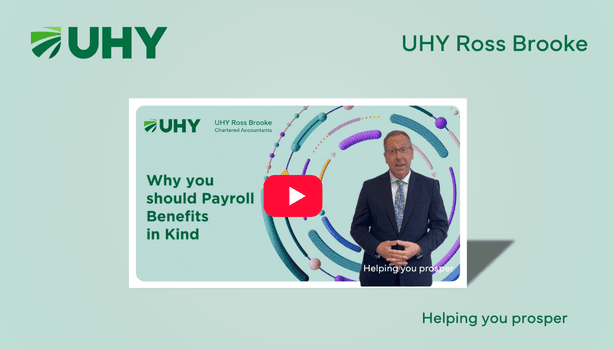
Payrolling benefits in kind means processing taxable benefits through your payroll system so that tax is deducted in real-time, rather than relying on P11D forms at the end of the year. This ensures that employees are more likely to pay the correct amount of tax as they receive their benefits.
Key Advantages:
- Improved Cash Flow for Employees: Tax is deducted monthly rather than in a lump sum after submitting P11Ds, as the estimates in PAYE codes are often incorrect as they are based on the previous year’s P11D.
- Reduced Administrative Burden: No need to submit P11D forms for payrolled benefits.
- Greater Transparency: Employees can see the tax impact of their benefits immediately in their payslips.
How to Payroll Benefits in Kind
To start payrolling benefits, businesses must register with HMRC before the tax year begins. If you have not already registered, you can do so from now to join from the start of the next tax year on 6 April 2026. Payrolling of benefits will be mandatory from 6 April 2027. Once registered, you must:
- Identify Payrollable Benefits: Most benefits can be payrolled, except for certain benefits like employer-provided living accommodation and interest-free or low interest loans above £10,000. Currently you can choose to payroll some or all benefits but bear in mind you will still need to report on form P11D any benefits not payrolled.
- Adjust Payroll Systems: Ensure your payroll software is set up to calculate and deduct the correct tax on benefits. You will need to calculate the ‘cash equivalent’ of the benefit on an annual basis and divide it by the number of paydays. It must be separately identified as a payrolled benefit in the RTI submission.
- Communicate with Employees: Inform staff about changes to how their benefits will be taxed and what it means for their take-home pay. If they already have an adjustment for that benefit in their PAYE code HMRC should remove them when the business joins the scheme. If this does not happen employees will need to contact HMRC to get them to remove it.
- Submit Payroll Information to HMRC: Include taxable benefits in Real Time Information (RTI) submissions to HMRC through your payroll software.
Managing Changes to Benefits Throughout the Year
Benefits provided to employees may change mid-year due to promotions, policy updates, increases in costs or personal circumstances. When this happens, it’s essential to adjust payroll calculations accordingly for benefits already included in your payrolling registration in the next payroll submission. You are unable to start payrolling new benefits introduced part way through a tax year unless you include them in your initial registration. New benefits not included in your registration will have to be reported on form P11D and we would recommend you register to payroll them from the start of the next tax year.
Handling Changes Effectively:
- Report Adjustments Promptly: Ensure payroll reflects any new benefits, changes in cost or discontinuation of existing ones. When the cost to the employer changes you should calculate the revised annual benefit, deduct the amount already payrolled and then divide the balance between the remaining paydays in the tax year.
- Update HMRC Records: Any alterations should be included in your next payroll submission to HMRC.
- Maintain Clear Documentation: Keep accurate records of benefits changes to prevent discrepancies.
- Support Employees: If an employee’s benefits package changes significantly, offer guidance so they understand tax implications.
Final Thoughts
Payrolling benefits through PAYE simplifies tax compliance and enhances transparency for businesses and employees alike. By staying proactive with adjustments and ensuring accurate reporting, business owners can keep payroll efficient and minimise tax-related complications. When registering for payrolling benefits we recommend you register to payroll both benefits you currently provide to employees and any others you might provide in future.
Payrolling benefits only accounts for the Income Tax on the benefits, so you will still need to submit a report on form P11D(b) after the end of the tax year to quantify and pay the Class 1A National Insurance.
If you need help payrolling benefits our Payroll team would be happy to give you a quote to take over the running of your payroll to free up your time to concentrate on running your business.
If you need help identifying reportable benefits or completing forms P11D our tax team can assist you. Do get in touch for a no-obligation chat.