ATED is an annual tax payable mainly by companies that own UK residential property valued at more than £500,000.
By Tom Annat – Senior Tax Manager
Who needs to complete an ATED return?
Owners may need to complete an ATED return if their property:
- is a dwelling
- is in the UK
- was valued at more than:
- £2 million (for returns from 2013 to 2014 onwards)
- £1 million (for returns from 2015 to 2016 onwards)
- £500,000 (for returns from 2016 to 2017 onwards)
- is owned completely or partly by a:
- company
- partnership where any of the partners is a company.
- collective investment scheme – for example, a unit trust or an open-ended investment vehicle
A property is a dwelling for this purpose if all or part of it is used, or could be used, as a residence, for example a house or flat. It includes any gardens, grounds and buildings within them.
Property excepted for ATED
There are exceptions for:
- hotels
- guest houses
- boarding school accommodation
- hospitals
- student halls of residence
- military accommodation
- care homes
- prisons
When are ATED returns due?
- Existing properties within the scope of ATED on 1 April: due by 30 April
- New acquisitions – properties which come within the scope of ATED after 1 April: due within 30 days of acquisition
- Newly built properties – within 90 days of the earliest date when the property either:
- becomes a dwelling for Council Tax purposes
- is first occupied
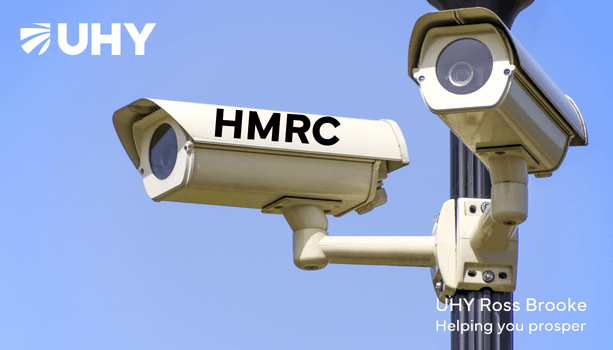
Penalties are charged for late Returns or submissions and our experience is that HMRC will pursue these vigorously
These are tight timeframes in which to make the submission and settle any liability, or indeed claim relief.
ATED returns and relief claims for the year to 31 March 2027 must be filed by 30 April 2026.
Valuation dates
For 2023-24 to 2027-28 the taxable value is:
- Its value on 1 April 2022, or;
- If acquired after 1 April 2022, its cost
If you think you may be affected by the above then please do not hesitate to contact us.