 Heard of it yet? Mandatory e-invoicing is likely to become one of the more important practical changes for UK companies over the next few years.
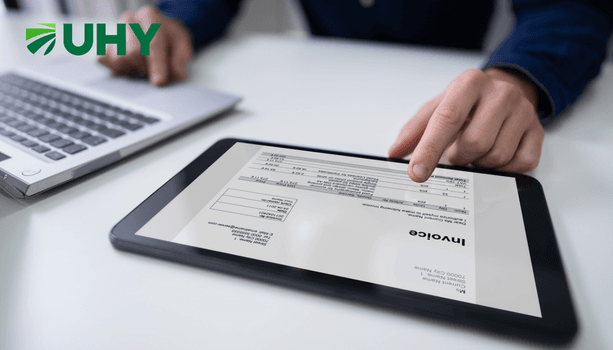
For many business owners, the first surprise is that an e-invoice is not simply a PDF attached to an email. In the government’s terms, e-invoicing means invoice data moving directly between the supplier’s and customer’s finance systems in a digital format, so the information can be read automatically without someone having to retype it or manually upload it.
Who will this affect? In broad terms, it will apply to VAT-registered businesses issuing invoices to other businesses and to public sector bodies. It is not expected to apply in the same way to business-to-consumer sales, because VAT invoices are not typically required for ordinary consumer transactions.
That does not mean smaller businesses can ignore it. In fact, some of the businesses most likely to feel wrong-footed are those that issue only a modest number of invoices each month and still rely on familiar, manual habits. Lower awareness is one of the obstacles the government has identified, and it notes that some smaller firms with limited knowledge of e-invoicing thought implementation could take five years or more. HMRC and the Department for Business and Trade also recognised that cost is one of the biggest perceived barriers for SMEs, especially where new software, training or process changes may be needed.
It is not hard to see why e-invoicing is being pushed so firmly by the Government. In simple terms, ministers see it as a way to cut out avoidable friction, reduce errors and result in fewer lost invoices in inboxes. Furthermore, better quality invoice data should help businesses get their VAT right.
Meanwhile faster processing should, in theory, help cash flow, which is particularly relevant for smaller businesses that feel the effect of late payment more sharply than larger organisations.
The real issue today is not whether e-invoicing is good in theory, but whether enough businesses have grasped how real this change now is. Among small and medium-sized businesses, awareness still appears low. Some have heard the phrase but assume it is only relevant to large corporates. Others believe their current invoicing software will automatically make them compliant. Others still think there is plenty of time and that the detail is too uncertain to act on.
So what should businesses be doing now? The sensible starting point is not to rush out and buy the first new platform that appears, but begin with an honest review of how invoicing currently works in practice.
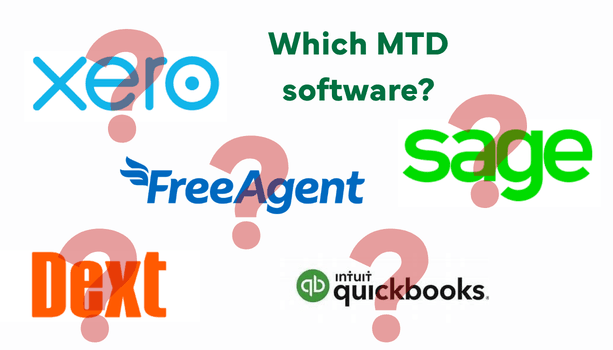
Speak to software providers and advisers sooner rather than later. Businesses should be asking whether their existing accounting system has a credible route to structured e-invoicing, whether integration with customers and suppliers is likely to be straightforward, and what staff training may be needed.
Mandatory e-invoicing may begin as a compliance obligation, but for businesses that use the next few years wisely, it could also become a chance to tighten processes, reduce admin and get paid with less friction. That is a much more useful way to look at it than treating it as one more technical tax rule to be endured.
If you would like some guidance on where to start with e-invoicing and other accounting software, please get in touch.