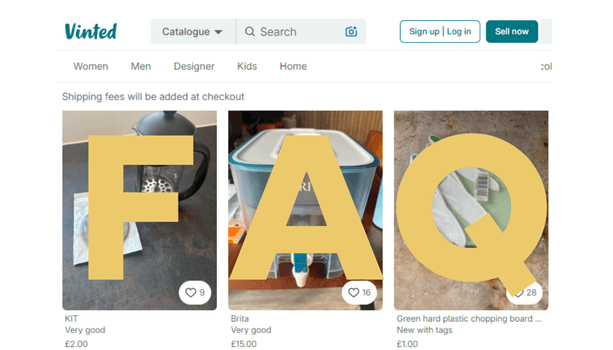
As the 31 January tax return deadline approaches, many individuals across the UK may find themselves wondering whether they need to declare sales of clothes and personal possessions made on platforms such as eBay, Vinted, or similar online marketplaces. While these platforms have made it easier than ever to declutter our wardrobes and find new homes for unwanted items, there remains a great deal of confusion about the tax implications of such activities.
The fundamental principle to understand is that the sale of personal possessions—items that were originally purchased for personal use is typically not subject to tax. For most people, this means that selling a dress, a pair of shoes, or a second-hand sofa would not give rise to a taxable event. These transactions are regarded as the disposal of personal possessions and, in such cases, the proceeds do not need to be reported on a Self Assessment tax return.
However, the situation changes if the nature of the activity resembles that of a business. For example, if an individual regularly buys items with the intention of reselling them at a profit, HMRC may view this as a trading activity. In these circumstances, the income from such sales could be taxable, and it may be necessary to register as self-employed and report the profits via a Self Assessment tax return. The distinction between casual sales of personal items and operating a trading business can be subtle, and factors such as the frequency of sales, the intent to make a profit, and the volume of transactions can all influence how HMRC evaluates the activity.
Another important consideration is the £1,000 trading allowance, which can apply to small amounts of income from occasional trading, casual sales, or hobby activities. If the total income from sales—excluding any related expenses—is below this threshold during the tax year, there is no requirement to declare it to HMRC. However, if the income exceeds £1,000, the individual will need to report it, either by claiming the trading allowance to reduce taxable income or by deducting allowable expenses to calculate the profit.
As the tax return deadline draws near, it is crucial for individuals engaging in online sales to assess their activities carefully and seek professional advice if they are unsure about their obligations. Tax compliance need not be daunting, but misunderstandings or omissions can lead to unwelcome scrutiny from HMRC. By understanding the rules and seeking clarity where needed, individuals can approach the Self Assessment process with confidence and peace of mind. If you are unsure whether your online sales require reporting, speak to a trusted tax adviser who can guide you through the process and ensure that your tax affairs are in order before the deadline.