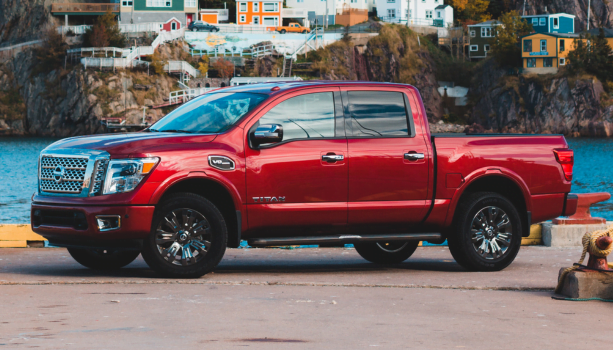
Significant tax changes were announced in the Autumn 2024 Budget affecting owners of double-cab pickup trucks (DCPU).
From 1 April 2025 for Corporation Tax and 6 April 2025 for Income Tax, double cab pick up trucks with a payload capacity of one tonne or more will be reclassified as cars for tax purposes, and not as light commercial vehicles.
This will impact capital allowances, Benefit-in-Kind (BIK) calculations, and certain business expense deductions.
Key Changes for Individuals
- Benefit-in-Kind (BIK): Employees using double-cab pickups (DCPU) for personal purposes will face higher BIK rates, so will pay significantly more tax, If they are a higher rate taxpayer, they’ll pay even more. That’s because the BIK tax cost is far higher for a car (to include DCPU) than for a van. The car’s rates are based on a combination of CO2 emissions, which are likely to be the highest at 37% for a DCPU, and the vehicle’s list price.
Key Changes for Businesses
- Capital Allowances: Businesses can currently claim full capital allowances on double-cab pickups as commercial vehicles, allowing for 100% tax relief against business profits in the first year. From April 2025, DCPUs will be classed as cars, and based on emissions, tax relief could be as low as 6%!
Transitional Arrangements:
If a DCPU is ordered, leased or purchased before 5th April 2025, the existing rules apply until the earliest date of the vehicle’s disposal, the lease expires or 5th April 2029.
Planning Ahead:
If your business relies on double-cab pickups, it’s important to understand these changes and plan accordingly.
Consider:
- purchasing or leasing vehicles before April 2025, to allow you to benefit from the existing, more favourable tax treatment until April 2029.
- that the value of used DCPUs may plummet as the market is flooded
- avoiding using the DCPU for private “car” use to avoid BIK charges
- ending your lease date before April 2029
For advice on how these changes may affect your company vehicles and overall tax strategy, please contact us.