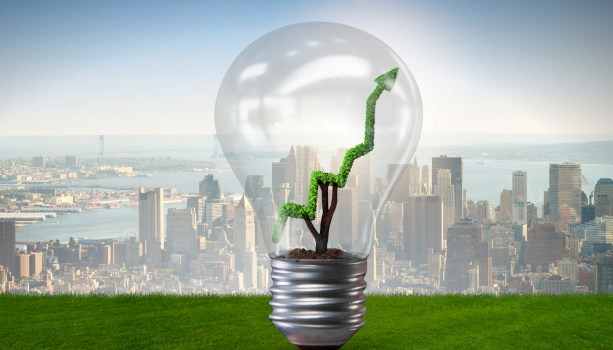
 Reducing the carbon footprint of your small or medium-sized business is both a responsible and achievable goal. Over a span of say five years, with small, steady changes, your business can make a significant positive impact on the environment. It’s important to remember that sustainability is a gradual journey that involves looking at the way you run your business and making improvements over time, rather than all at once.
By Chris Davies – ESG Reporting Partner
Energy-efficient businesses
In the first year, businesses should start with the most straightforward and practical changes. These often include energy usage. Swapping out old light bulbs for more energy-efficient LEDs is a quick win. Similarly, ensuring that equipment such as computers, printers, and other office machinery are turned off at the end of the day can save a surprising amount of energy. It’s easy to overlook things like standby power, but these small steps can add up over time.
Reduce your waste
Another area to focus on early is waste reduction. This might mean reducing paper usage by going digital where possible, reusing materials, or recycling efficiently. For instance, switching to paperless billing and communications is not only good for the environment, but it often speeds up processes and reduces clutter in the office.
Ethical suppliers
As the business moves into the second and third years, these simple adjustments can be built upon by looking into more significant changes. One impactful decision is to reconsider your suppliers. Choosing to work with companies that have strong environmental policies in place can reduce the carbon footprint associated with the goods and services you use. Switching to green energy providers is another step that can have a direct impact on emissions.
Transport
During this period, it’s also worth considering transportation. Encouraging employees to cycle, walk, or use public transport to get to work can make a big difference, especially in cities. Offering cycle-to-work schemes or flexible working hours to avoid rush-hour traffic could help in this area. Similarly, if your business involves deliveries, look into the possibility of using electric vehicles or other low-emission alternatives.
Even greater energy efficiency
By the fourth and fifth years, the focus can shift towards long-term strategies. One such approach is to assess your business premises and consider whether any investments can be made in improving energy efficiency. This could involve better insulation, upgrading heating systems, or even installing solar panels if it’s viable. While these kinds of changes can require a bit of an upfront investment, the savings in energy costs over the long term often make them worthwhile.
Employee engagement
Throughout the process its worth engaging employees to be more actively involved in sustainability efforts. Creating a culture of environmental responsibility within the business is key. Setting up challenges, offering incentives for green ideas, and regularly reviewing the company’s progress can keep everyone motivated and ensure that the changes made are having the desired effect.
All throughout this process, it’s essential to measure your progress. Regularly reviewing your carbon footprint will help you see what’s working and what might need adjusting.
By the end of the five-year period, the cumulative effect of these small and large changes can result in a much more sustainable business model. What started with simple energy-saving measures can evolve into a company culture that actively seeks out ways to protect the environment. The goal is not to achieve perfection overnight but to steadily reduce the carbon footprint over time, benefiting both the planet and the business.
ESG Reporting
If you are thinking about your ESG (Environmental, Social, Governance) policies and would like input into them, please do get in touch with our ESG reporting team.