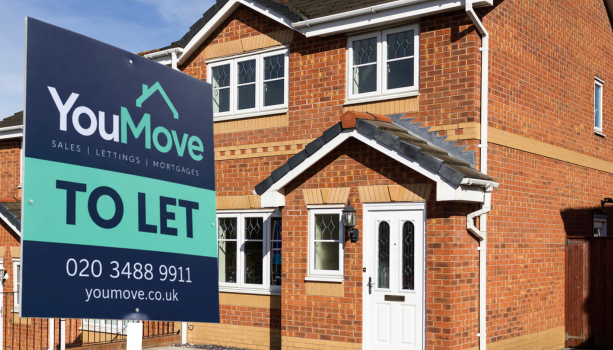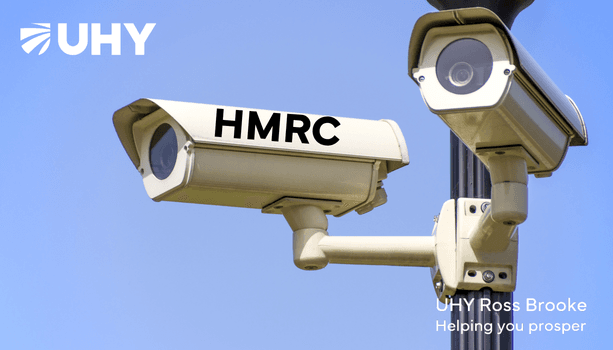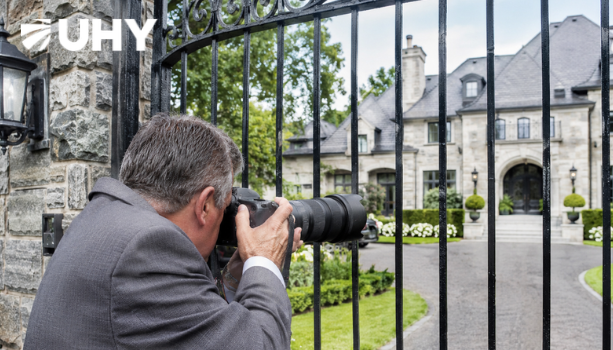

The latest twist in the Mansion Tax story is a simple image: an HMRC officer standing at the end of a driveway with a camera. Reports this week suggest that valuation staff will photograph homes, without first asking the owners, as part of the exercise to decide which properties fall within the new High Value Council Tax Surcharge.
By Chris Davies – Partner
For some, this is a sensible and low-cost way to value property accurately. For others, it is a step too far for the state. Behind the headlines sit two practical questions: Is this an unjustified intrusion into private life? And will the resulting valuations generate so many appeals that the cost of collecting the tax eats into what it raises?
What the Mansion Tax actually is
The High Value Council Tax Surcharge was announced in the November 2025 Budget. It will apply from April 2028 to homes in England worth £2 million or more, based on 2026 values, and will be collected alongside ordinary council tax. Unlike council tax, it falls on the owner rather than the occupier, so landlords are caught too.
| 2026 property value | Annual surcharge |
| £2m to £2.5m | £2,500 |
| £2.5m to £3.5m | £3,500 |
| £3.5m to £5m | £5,000 |
| Over £5m | £7,500 |
Charges will rise each year with CPI, and properties will be revalued every five years. Forecasts suggest around 165,000 homes will be affected in the first year. Owners are expected to learn in autumn 2027 whether their home is in scope.
Why HMRC wants a closer look
The surcharge depends entirely on an accurate valuation, and high-value homes are notoriously hard to value. There are relatively few sales at this level, many properties are one of a kind, and features such as a pool, a tennis court, extensive grounds or a notable view can move the price significantly. Ordinary council tax bands still rest on 1991 values, so the existing records offer little help.
The Valuation Office, now part of HMRC, has said it will mainly work from existing data: comparable sales, planning records and banding history. Where a feature can only be confirmed by seeing it, an inspection may follow. Reports in August suggested that refusing an inspector entry could be a criminal offence carrying a fine of up to £200. Seen in that light, a photograph taken from outside could be presented as the less intrusive option.
A breach of human rights?
Critics argue that photographing private homes without consent crosses a line. Opposition politicians have described HMRC’s plans as an invasion of privacy, and breach of Article 8 of the European Convention on Human Rights.
However, Article 8 is not absolute. It permits interference where it is lawful, pursues a legitimate aim and is proportionate, and HMRC’s own guidance lists assessing and collecting tax among those aims. Photographing the outside of a building from a public place is also generally lawful in the UK.
The appeals question
The second concern is cost. Under the proposed process, an owner first challenges the Valuation Office, which will have four months to respond, and can then appeal to the Valuation Tribunal for England. The surcharge remains payable while a challenge is under way.
The Office for Budget Responsibility has provisionally assumed that 20% of owners will appeal and that 40% of those appeals will succeed. That success rate is far higher than for ordinary council tax, and reflects the narrow bands and the difficulty of valuing high-value homes. A property valued at £2.05 million has a strong incentive to argue it is worth £1.95 million, because the difference is £2,500 every year.
Applied to around 165,000 homes, those assumptions point to roughly 33,000 challenges in the first round. HMRC’s chief executive has told MPs that around 300 extra Valuation Office staff will be needed, and every successful appeal reduces the revenue collected. Critics argue that the net yield could be much lower than the headline figure suggests.
The government’s case remains that the current council tax system is unfair, pointing out that a Band D home in Darlington pays more council tax than a £10 million home in Mayfair.
Where this leaves homeowners
The Mansion Tax raises a familiar tension in tax policy: the state needs accurate information to apply a tax fairly, but gathering that information can feel intrusive. Both sides of the argument have merit. The photography plan may well survive legal scrutiny, but its acceptability will depend on how transparently it is run.
For owners whose homes may be close to £2 million, or close to one of the band thresholds, the practical step is to start preparing now. Keeping a dated record of comparable local sales from 2026, accurate floor areas and evidence of any defects that reduce value will make any future challenge far stronger.
If you have any questions about the Mansion Tax, or how it might affect you or your property, please get in touch with our team at UHY Ross Brooke. We would be happy to help.