Chancellor John Healey presented his first Budget to Parliament on 28 October 2026, billed as giving families and businesses ‘breathing space’ from rising costs. It left the rates of VAT and National Insurance unchanged, alongside static Income Tax rates for wages and self-employed income. Even so, the government’s own figures show its tax measures raising around £7 billion a year by 2031/32.
What could the Budget mean for you, your family and your business?
Download our budget summary and get in touch if we can help.

If you’re employed
Income Tax and National Insurance rates are unchanged, but frozen thresholds mean pay rises may bring more income into tax.
- Most tax thresholds are set to remain frozen until 2030-31.
- The National Living Wage is set to rise by 3.9% to £13.21 an hour from 1 April 2027 for workers aged 21 and over.
- VAT on household electricity stays at 0% until 30 June 2027; eligible households in England are due a £100 Household Energy Payment from January 2027.
- If you use your own car or van for work, the approved rate for business miles above 10,000 rises from 25p to 35p from 6 April 2027.
If you’re a business owner or director
Payroll, capital investment and profit extraction all deserve attention as several changes take effect from 2027 onwards.
- The National Living Wage rises to £13.21 an hour from 1 April 2027.
- From 6 April 2027, company cars and vans, fuel and medical benefits are due to be reported and taxed through payroll.
- The main Writing Down Allowance rate falls from 14% to 12% from April 2027, while the 40% First Year Allowance increases to 50% for qualifying expenditure from 1 January 2027.
- Business Asset Disposal Relief’s lifetime limit falls from £1 million to £500,000 for qualifying disposals made on or after 6 April 2027.
If you own or let property
Landlords face higher Income Tax on rental profits, and owners of higher-value homes should be aware of a planned surcharge.
- Income Tax on personally held rental profits is set to rise by four percentage points from 6 April 2027 compared with 2026-27.
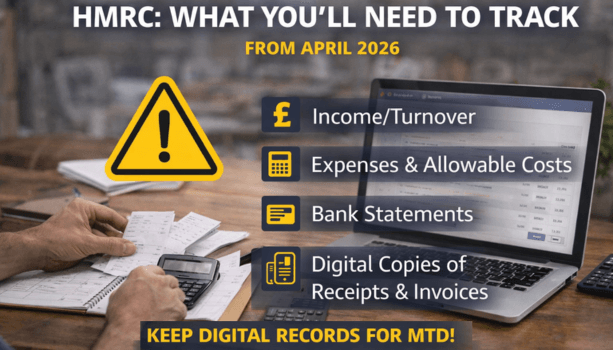
- If gross property income was between £30,000 and £50,000 in 2025-26, you will likely need to join Making Tax Digital for Income Tax from April 2027.
- A High Value Council Tax Surcharge is planned from April 2028 for properties in England worth £2 million or more.
- Capital Gains Tax rates on most asset disposals remain 18% for basic-rate taxpayers and 24% otherwise; reporting rules and reliefs may still affect you.
If you’re a saver or investor
The cash ISA limit is staying at £20,000, but tax on savings income is set to rise from April 2027.
- The planned reduction to the cash ISA limit for under-65s has been scrapped; the cash ISA limit remains £20,000 for 2027-28.
- Income Tax rates on savings income rise by four percentage points from 6 April 2027 compared with 2026-27.
- Dividend Income Tax rates remain unchanged.
- A new First Time Buyer ISA is planned from April 2029, replacing the Lifetime ISA for new savers; existing Lifetime ISA holders can continue under current rules.