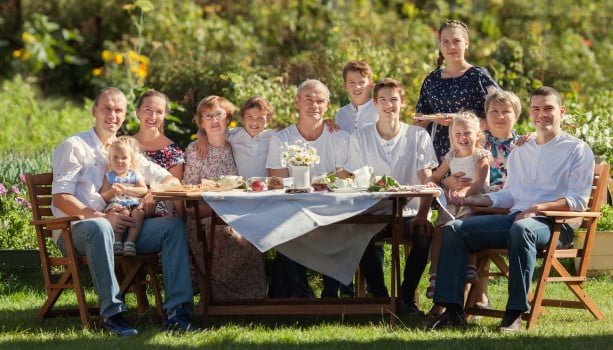
 Modern families are often more complex than in previous generations. Second marriages, long-term partnerships and children from earlier relationships are increasingly common, which can create difficult questions when planning for the future.
By Liz Williamson
One of the most frequent concerns we hear is: “How can I look after my spouse when I die, whilst also ensuring that my children ultimately inherit my share of the estate?” In many cases, the concern extends further. Both spouses may have children from previous relationships and each wish to ensure that their own family ultimately benefits from part of the estate.
Understandably, many people want both objectives to be achieved. They want the reassurance that their spouse or partner will be financially secure, able to remain in the family home and maintain their standard of living, whilst also ensuring that an inheritance is preserved for the next generation.
Finding the right balance is often the key to successful estate planning in blended families.
The family home is usually the starting point
For many families, the home represents the largest asset in their estate and is often at the centre of inheritance planning discussions. Before any planning can be considered, it is important to understand how the property is owned.
Where a couple owns their home as joint tenants, the deceased’s share passes automatically to the surviving owner, regardless of the terms of their will.
If the objective is to preserve a share of the property for children from a previous relationship, it will usually be necessary for the property to be owned as tenants in common. This allows each owner’s share to be controlled separately through their will.
The most popular solution: A Life Interest Trust
For many blended families, the most practical and effective solution is a life interest trust. Under this arrangement, the deceased’s share of the property does not pass outright to the surviving spouse. Instead, it passes into a trust established by the will.
The surviving spouse is normally given the right to continue living in the property for the rest of their life. If they later wish to downsize or relocate, the trust can usually allow the proceeds to be reinvested in an alternative property.
Importantly, when the surviving spouse dies, the deceased’s share of the trust assets passes to the beneficiaries chosen by the deceased, often their children.
This arrangement provides what many families see as the best of both worlds. The surviving spouse retains security and stability, whilst the deceased gains reassurance that their share of the estate will ultimately pass in accordance with their wishes. It can also help address concerns about what might happen if the survivor later remarries, changes their will, or experiences pressure from other family members.
For married couples and civil partners, a life interest trust established on first death will often qualify for the spouse exemption for inheritance tax purposes. This means that, in many cases, creating a life interest trust does not give rise to an immediate inheritance tax charge. The tax position should always be reviewed considering individual circumstances and the value of the estate.
The principal drawback is that a life interest trust can involve some ongoing administration and cost. The trust will normally need to be registered with the Trust Registration Service and there may be occasions where professional advice is required. In some circumstances, trust tax returns may also be necessary. These costs should be weighed against the protection the arrangement provides, particularly where preserving an inheritance for children from a previous relationship is an important objective.
A common blended family scenario
Many blended families are not simply concerned with protecting one set of children. More commonly, both spouses have children from previous relationships and each wish to ensure their own family eventually benefits from part of the estate.
Imagine a couple who own a property worth £600,000 and each have adult children from previous marriages. Both want the survivor to remain financially secure and continue living in the family home for as long as required. However, neither wishes their own children to lose out when the second death eventually occurs. If everything passes outright to the surviving spouse, there is no guarantee that the deceased’s children will ultimately benefit. The survivor remains free to change their will, spend the assets or leave them to a different group of beneficiaries.
A life interest trust can help address this concern. Each spouse’s will can place their share of the property into trust on first death, allowing the survivor to continue occupying the home whilst preserving the underlying value of the deceased’s share for their chosen beneficiaries. As a result, both sides of the family can benefit. The surviving spouse remains protected, whilst each set of children ultimately inherits the share intended for them. For many blended families, this creates a fair and balanced outcome that recognises the interests of everyone involved.
What about savings and investments?
Although the family home is often the principal asset, most estates also include bank accounts, ISAs, investments, or other savings. In practice, these assets do not necessarily need to be dealt with in the same way as the property.
Many couples choose to protect their share of the family home through a life interest trust whilst leaving some or all their savings outright to the surviving spouse. This can provide immediate financial flexibility without creating unnecessary complexity.
After all, one of the aims of good estate planning is to ensure that the surviving spouse has access to sufficient funds to meet everyday living expenses and deal with unexpected costs. Estate planning should be proportionate to the family’s circumstances. In many cases, a combination of property protection and straightforward access to savings provides the most practical solution.
When might a Discretionary Trust be appropriate?
Some families require greater flexibility than a life interest trust can provide. This is where a discretionary trust may be considered. A discretionary trust allows trustees to decide how and when funds are distributed amongst a group of beneficiaries. This can be particularly useful where future circumstances are uncertain or where there are concerns regarding vulnerable beneficiaries, changing family dynamics or future financial needs.
However, this additional flexibility comes at a cost. Discretionary trusts generally involve more administration, greater trustee involvement, and potentially higher professional fees. There may also be ongoing tax compliance obligations throughout the life of the trust. For that reason, they are often more suitable for larger estates or situations where the additional flexibility provides a clear benefit.
Are mutual wills the answer?
From time to time, mutual wills are suggested as a simpler alternative. A mutual will arrangement effectively creates a binding agreement between spouses that neither will change their will after the first death. At first glance, this can seem attractive because it provides certainty about who will ultimately inherit. However, life can change dramatically after the first death. Financial circumstances evolve, family relationships develop and care needs can arise unexpectedly. Mutual wills can restrict the survivor’s ability to respond to those changing circumstances and may lead to disputes many years later. As a result, they are generally less common than they once were and are often viewed as a solution to be considered only in specific circumstances.
Is this planning worthwhile for smaller estates?
A question that frequently arises is whether trust planning is justified where the estate is relatively modest. Consider a couple with a home worth £450,000 and savings of £50,000. Whilst the estate may not be substantial, the family dynamics may still give rise to legitimate concerns about ensuring both sides of the family are treated fairly. The decision should not be based solely on the value of the estate. Instead, it should focus on the family’s objectives.
If there is complete confidence that the surviving spouse will ultimately provide for all intended beneficiaries, a straightforward will may be entirely appropriate. However, where preserving an inheritance for children from a previous relationship is an important objective, even a more modest estate may justify a structured approach. The key is ensuring that the arrangement remains practical, proportionate, and cost-effective.
Understandably, families with more modest estates often question whether the additional administration associated with a trust is worthwhile. Whilst there may be some ongoing compliance requirements, these should be considered in the context of the protection the trust provides. For many blended families, the cost of maintaining a simple life interest trust is modest when compared with the potential risk of children being unintentionally disinherited following the survivor’s death.
Choosing the right balance
There is rarely a one-size-fits-all solution for blended families. For many people, the most effective arrangement combines:
- Ownership of the family home as tenants in common.
- A life interest trust protecting each spouse’s share of the property.
- Sufficient access to savings and capital for the surviving spouse.
- Flexibility to adapt to changing circumstances in later life.
This type of arrangement can be particularly effective where both spouses have children from previous relationships. It allows the surviving spouse to continue enjoying the family’s assets whilst providing reassurance that, in due course, both sets of children will receive the inheritance intended for them.
The objective is not simply to divide assets between different beneficiaries. Rather, it is to create a structure that promotes family harmony, provides financial security for the surviving spouse, and ensures that each family’s interests are treated fairly over the long term.
Final thoughts
Blended families often face estate planning considerations that traditional family structures do not. Whilst these issues can seem daunting, the right planning can provide clarity, security and peace of mind for everyone involved.
A carefully drafted will can ensure that a surviving spouse remains financially secure whilst also protecting an inheritance for future generations. In many cases, relatively straightforward planning undertaken today can avoid uncertainty, disputes, and unintended consequences in the future.
Ultimately, the most successful arrangements are those that strike the right balance between flexibility, fairness, and protection, ensuring that those you care about today are looked after both during their lifetime and in the years to come.
Next steps
If you would like advice on estate planning please do get in touch.